This week, Redfin released research showing that more than 16 percent of purchase contracts were canceled in December 2025. The headline sent journalists and markets scrambling to explain what went wrong. The answer is not complicated, and it is playing out in Realtor meetings across the country.
Homes are being overpriced, and the gap between buyer expectations and seller pricing has grown too wide.
When agents fail to price correctly, homes do not sell in three weeks. They sit for three to six months, accumulate price reductions, lose momentum, and ultimately sell for less than market value. In today’s environment, pricing mistakes do not just delay a transaction. They actively destroy seller equity.

Pricing Distress Is a Self-Inflicted Wound
The industry has debated pricing strategy for decades, but the data has never changed. When a home is priced below market as measured by price per square foot, buyers respond immediately.
Two decades ago, Mark Spraetz and Peter Krause demonstrated this clearly with Broker Metrics, now owned by Lone Wolf. The insight was simple and powerful.
If comparable homes in a neighborhood are selling for $268 per square foot, price the listing in the high $240s or low $250s. Buyers and buyer agents flood open houses. Multiple offers emerge. Strong agents manage the process and the final sales price often exceeds $268 as buyers compete to secure the property.
This outcome is not anecdotal. It happens repeatedly in every market cycle.
The opposite is also true. Price the home above $268 per square foot and the listing stagnates. Days on market climb. Offers arrive lower and later. Each price reduction signals weakness. Eventually, the home sells below market value.
This is pricing distress, and it is one of the most damaging conditions a seller can experience.
Three-Phase Marketing Does Not Fix Bad Pricing
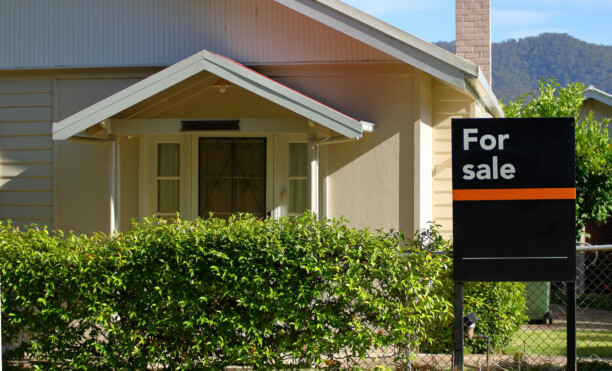 Compass has drawn national attention for its three-phase marketing strategy, positioned as a way to gather market feedback before fully launching a listing. While the intent is to maximize seller value, the approach has become controversial because market feedback does not cure fundamental pricing errors.
The agent narrative during the listing presentation goes something like this. We recommend the following pricing strategy for your home. We will list the property at this price point and test the market with our agents in house that are already working with XXX home buyers that are looking for a home your size in this neighborhood. Our agent network will provide feedback on the price and the condition of the home. I will share that feedback with you and we will build a go to market strategy that maximizes your home sale price. It may include repairs needed to make your home ready for a move-in buyer, or it may require pricing adjustments up or down. We will let the market signal what is best for you.
You do not need a three-phased marketing process to price right. The market already provides feedback instantly when pricing is right. Demand shows up immediately. When it does not, the message is equally clear.
Pricing is not a process problem. It is a discipline problem whereby agents listen to the seller and not the profoundly accurate signals from market analysis tools like Broker Metrics.
Deferred Maintenance Is Now a Big Pricing Problem
There is a second issue amplifying seller distress today, and it is impossible to ignore. Homeowners are not maintaining their homes the way prior generations did.
The cultural shift is visible to me everywhere I have owned homes for more than 20 years, from Florida to New York to California. Many homes reach the market with deferred maintenance that buyers immediately price into their offers. The movie Edward Scissorhands profoundly captured a time when weekends were spent on home upkeep. Do you recall the scene when every man walked out of the house every Saturday morning to take care of the lawn? That mindset has faded, and the market is penalizing sellers for it.
This has given rise to the “improve to sell” category. The best programs begin with a pre-listing home inspection. The inspection becomes a roadmap for what must be addressed to create a move-in-ready home. Consider RealVitalize® (Coldwell Banker/Anywhere Real Estate): Partners with Angi to offer pre-listing repairs and upgrades (painting, staging, renovations) with no upfront costs or interest. Other popular solutions include Compass Concierge or market leader Revive.
Because many sellers lack upfront cash, brokers increasingly fund the repairs and are reimbursed at closing. HouseAmp is one of the companies enabling this model through white-label financing options for brokerages.
The data is clear (see research from Bright MLS). Move-in-ready homes sell faster and for more money. Deferred maintenance suppresses value and extends days on market.
Maintenance Intelligence Should Start Long Before Listing
The most effective solution begins well before a home is listed.
Homeowner.ai provides brokers with a whitelabel platform that helps homeowners maintain their properties over time. In MLS markets, the same product is offered as OneHomeowner through Cotality. Fidelity National Financial offers it to buyers at closing under the live inHere brand.
The platform functions as a living home handbook. It stores appliance details, paint colors, maintenance history, trusted service providers, and future maintenance schedules. Filters, water heaters, HVAC servicing, all tracked and surfaced proactively.
Imagine a listing description that says that “This home is a unique offering. The home has been inspected and repairs have been completed. The seller has a home maintenance portal that transfers to the buyer showing all routine maintenance for the home along with outside vendors the seller has relied upon for upkeep.”
When a home eventually comes to market, maintenance should be documented, inspection issues are mitigated, and pricing confidence is dramatically higher when driven by MLS data. This is the missing infrastructure in residential real estate that is causing cancellations, extending days on market, and triggering seller distress. Brokers should be providing homeownership portals to past clients, sellers, and buyers alike. Real Estate coach Tom Ferry calls this Turning Prospects and Transactions into Forever Clients. WAV Group calls it a Client for Life strategy.
What Brokers Can Do Now
The Redfin data should not be dismissed as a market anomaly. Sixteen percent contract cancellation is a warning signal to the capital markets and homebuyers alike. Professionals should be listening and taking action. Brokers and agents can respond immediately by enforcing disciplined pricing strategies, addressing deferred maintenance before listing, and investing in homeowner engagement tools that protect long-term value and repeat customers.
Seller distress is not inevitable. In most cases, it is preventable.
The playbook is right in front of you.