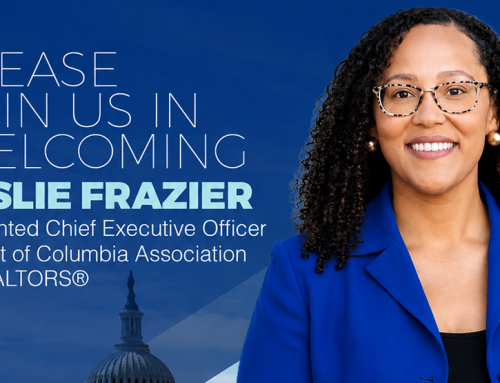
During my time as Chair of the National Small Business Association, I learned an important lesson about legislation: getting a positive vote is only the beginning. The real opportunity comes after the legislation passes, when industries and local communities figure out how to fully leverage what Congress has made possible. NSBA has spent decades advocating for small businesses and helping translate national policy into action, many times, right alongside NAR.
I believe REALTOR® associations have a terrific opportunity with the 21st Century ROAD to Housing Act. While inventory shortages are a continuing problem in many markets, few Associations, believe they can have a meaningful impact on housing shortages.
 The Act creates an important opening for associations to become much more than advocates for housing. They can become the local organizations that help communities identify and remove the barriers preventing housing from being built with the doors that have been opened.
Every association can conduct a Housing Barrier Audit if they haven’t done so already. Where are ADUs prohibited or unnecessarily difficult to permit? Where are manufactured and modular homes restricted? Which communities have excessive minimum lot sizes, parking requirements or setbacks? How long does permitting take? Which fees make entry-level housing economically impossible to build?
Armed with MLS data, associations can demonstrate exactly where shortages exist by price point, what types of homes are missing and which local policies may be contributing to the problem.
Associations can also consider creating a Housing Opportunity Task Force bringing together REALTORS®, builders, lenders, appraisers, municipal planners, elected officials, employers and housing organizations.
Give that group one assignment:
What can we change in the next 12 to 24 months that will materially increase housing supply?
The act supports more usage of ADUs and opens the doors to missing-middle housing should be high on the list. Duplexes, triplexes, fourplexes, townhomes and cottage courts can create additional inventory without necessarily transforming the character of existing communities. Associations can also help municipalities reconsider outdated attitudes toward modern manufactured and modular housing.
There is an enormous REALTOR® education opportunity, too. Practitioners increasingly need to understand zoning, ADUs, development potential, alternative construction, small multifamily properties, mobile home eligibility changes and financing. A REALTOR® who recognizes that a property can legally accommodate another housing unit can deliver significantly more value than one who simply knows its current bedroom count.
This legislation gives REALTOR® associations an opportunity to become the local organization that removes barriers to housing.
Every association should be helping its community answer three questions:
What housing do we need?
What is stopping us from building it?
What can we do about it now?
Winning passage of the Act was important. Now the real work begins.